Social anxiety disorder (SAD) is a social phobia condition. It is actually a type of anxiety disorder characterized by intense fear in social situations. This is manifested y distress and an inability to function normally in daily life.
The fears can be general or specific. A general fear is characterized by persistent , intense, chronic fear of being judged or thought about by others and then of being embarrassed by your own actions, a sort of general fear of messing up and being caught. Perceived scrutiny by others can trigger a generalized fear where you suspect that something bad will happen you just don’t know what. Often a person thinks they will be humiliated by the outcome. A specific fear is in a particular situation or specific experience.
Symptoms include excessive blushing or blood rushing to the face, trembling, sweating, increased heart rate and nausea. Sometimes there is difficulty speaking. Early diagnosis may help minimize symptoms as triggers are recognized and dealt with. Drugs can also help.
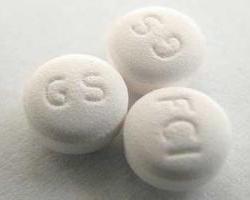
Usually an anti-depressant will be prescribed to a person with SAD. Selective serotonin reuptake inhibitors (SSRIs) are often the most effective drugs. The first one introduced for treating anxiety was paroxetine or Paxil. There are many others now which include Zoloft and Prozac. Serotonin norepinephrine reuptake inhibitors and monoamine oxidase are other recommended prescription drugs. Beta blockers and benzodiazepines are also known to help.
SSRIs, like Paxil, elevate serotonin levels and influence mood. Paxil was show in a 1995 study to help 55% of patients with generalized anxiety disorder which includes SAD. In 2004 the study was repeated and had similar results. Paxil and other modern drugs have less addictive qualities and less risk of intolerable side effects and suicidal thoughts.
Source: Wikipedia, Health Central, ncbi.nlm.nih.gov
photo by Tokino